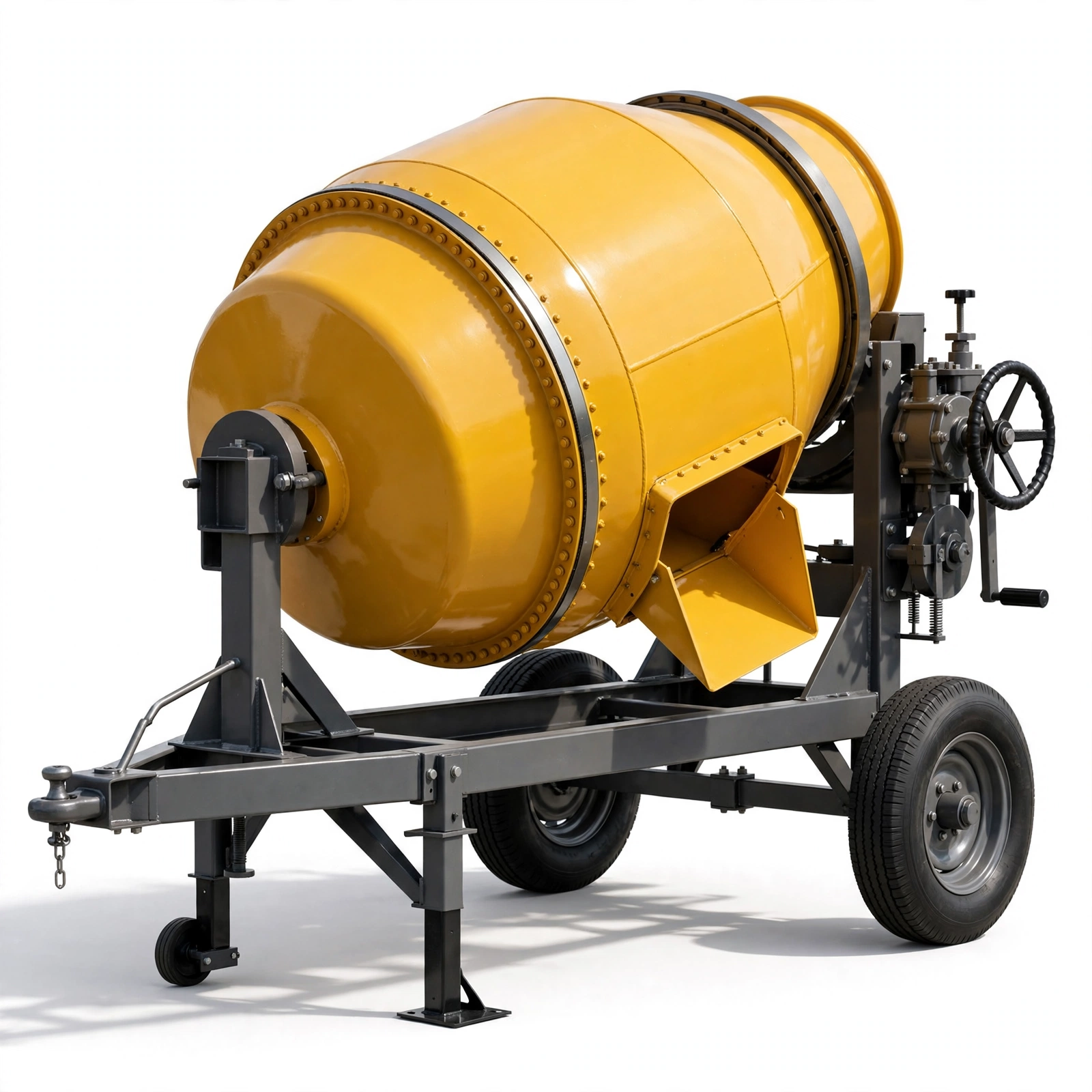
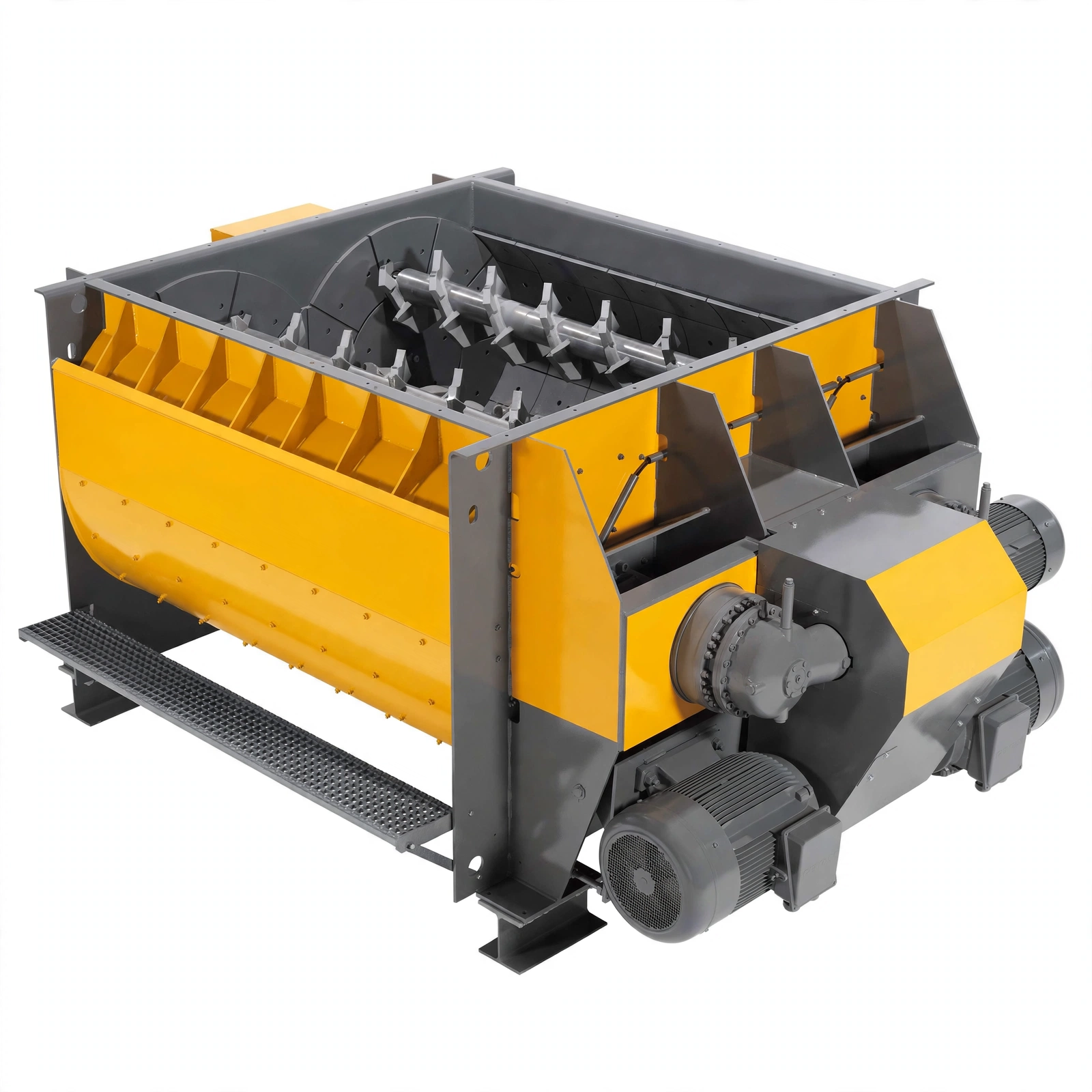
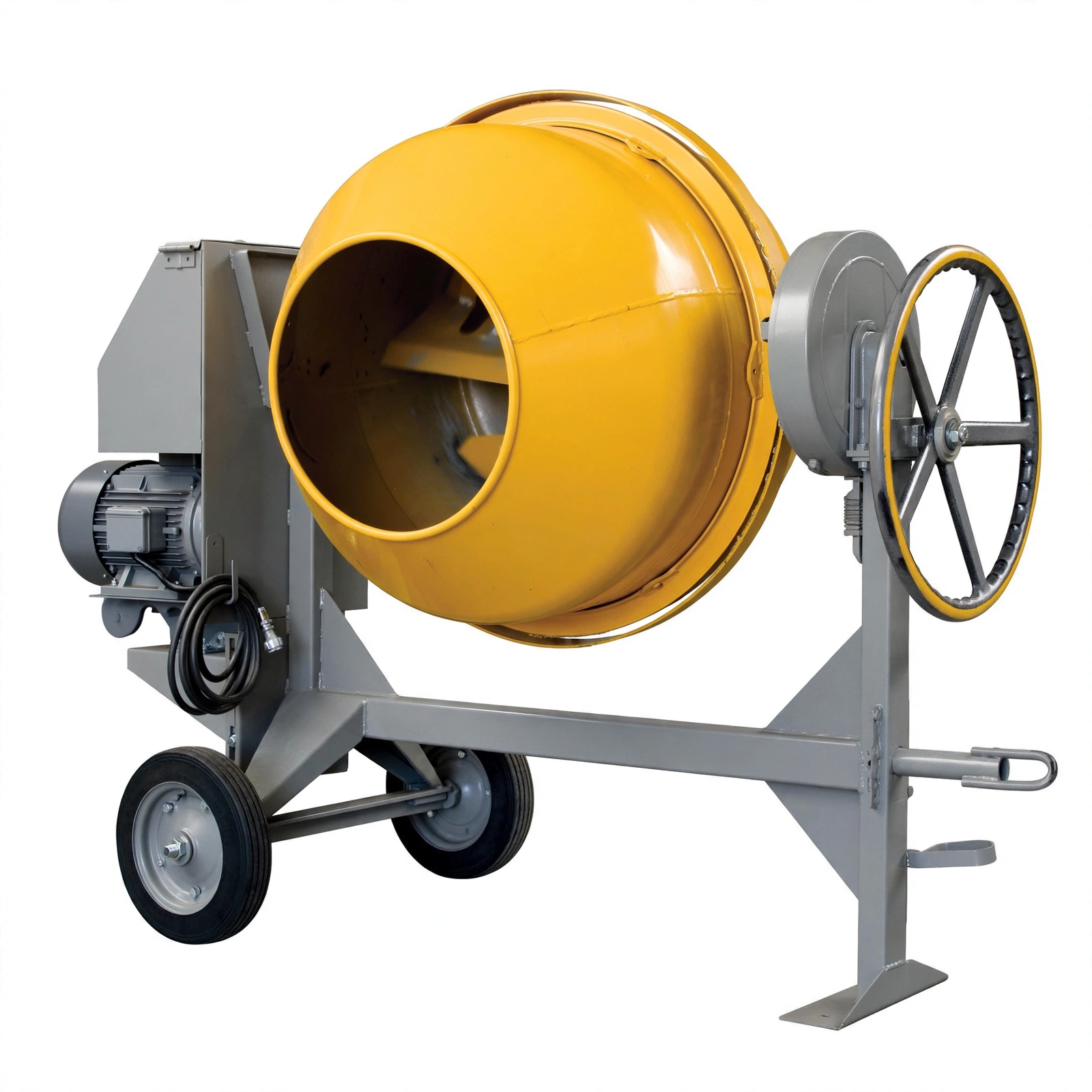
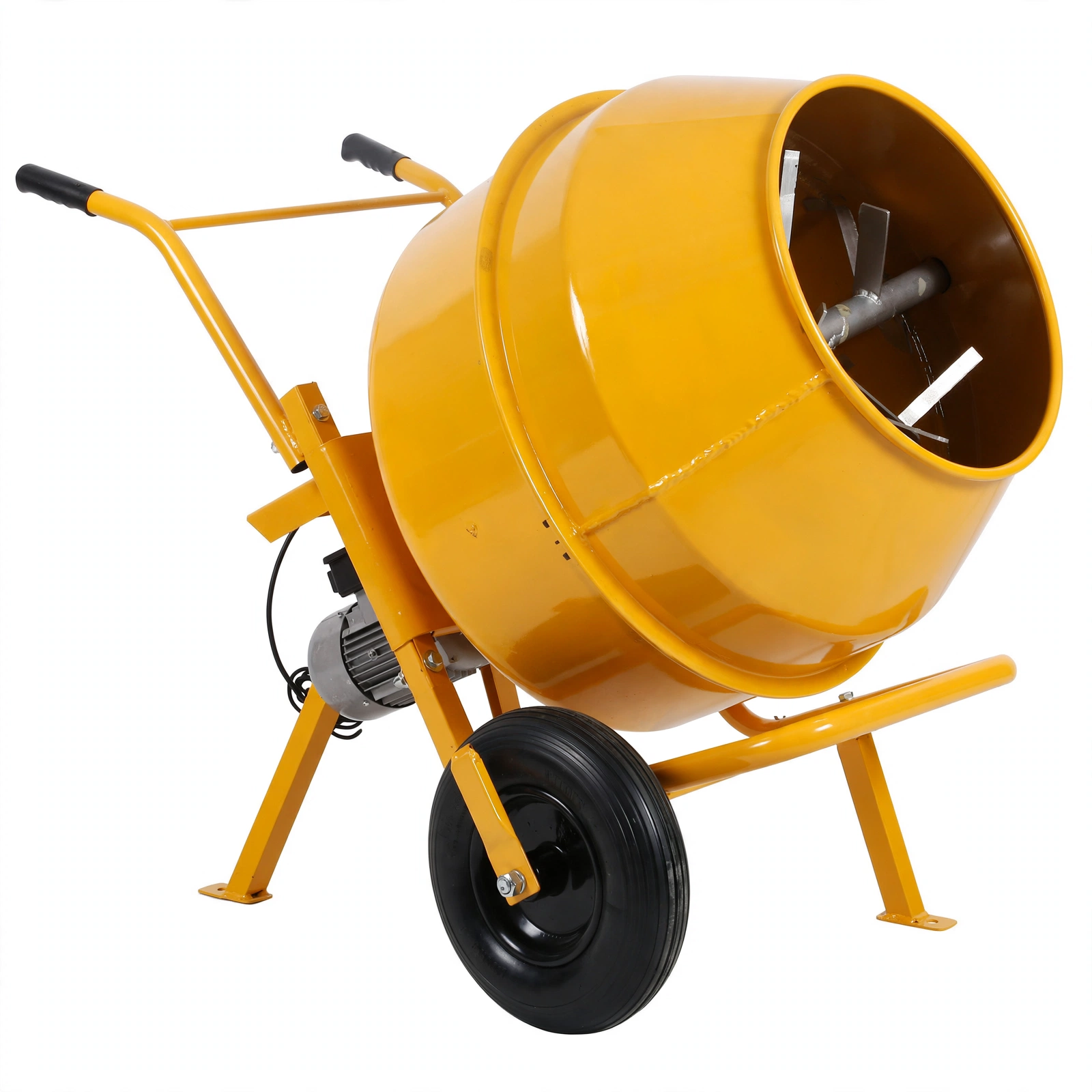
cement mixers on job site

COMPLETE
GUIDE TO MIXERS

Cement Mixing Explained

cement mixers on job site

EVERY TYPE
OF MIXER

From Drum to Volumetric

cement mixers on job site

HOW MIXERS
GET IT RIGHT

Consistent Mixing, Every Time

Mixer Types

Which concrete mixer fits the job?

Six mixer types compared on batch size, mix quality, best use, mobility, and cost.

Concrete mixer types compared by batch size, mix quality, best use, mobility, and cost.
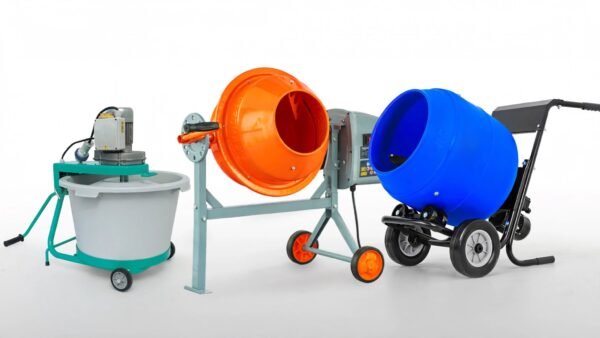
Mixer typeBatch sizeMix qualityBest useMobilityCost
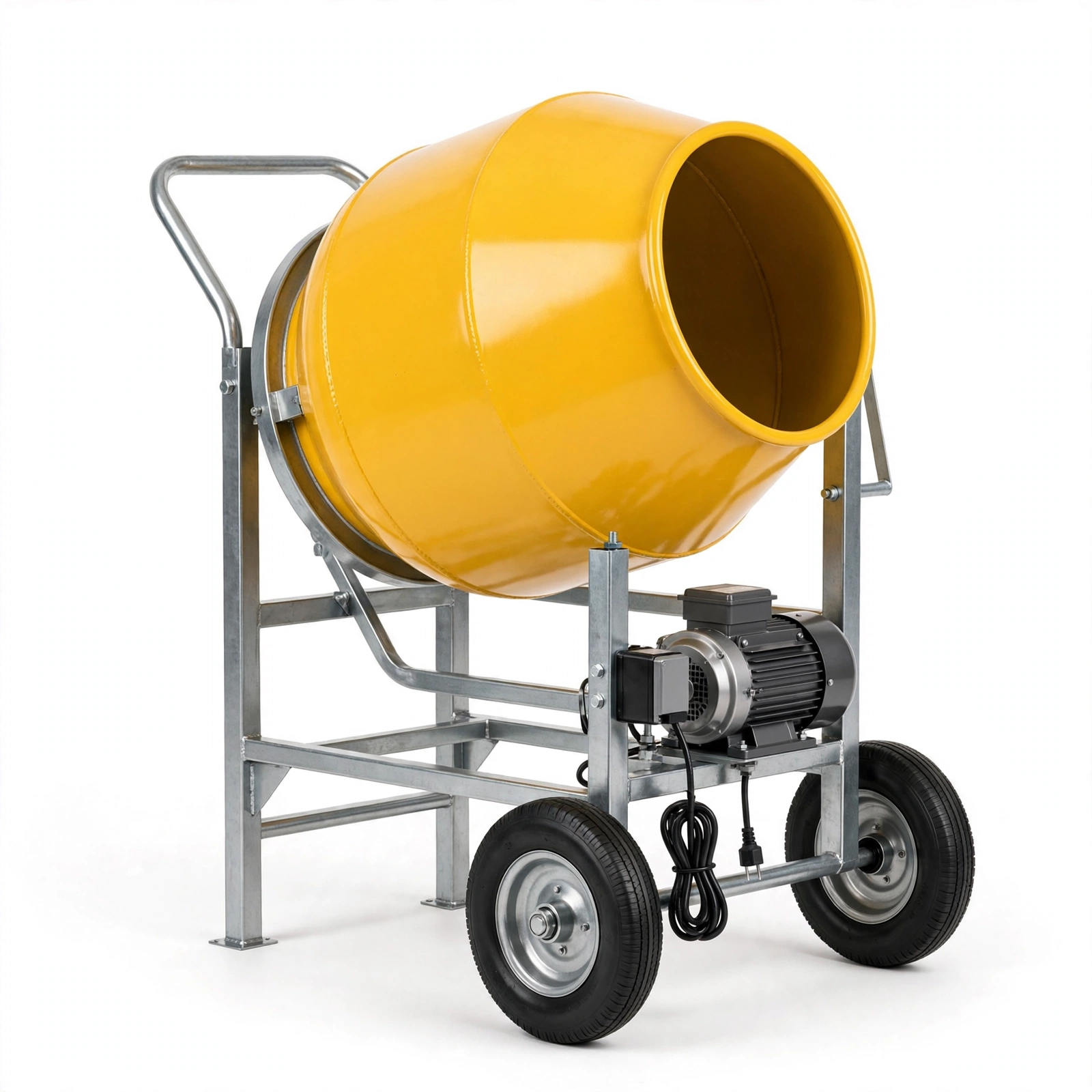
Drum2-12 cu ft Driveways, footings, everyday concrete
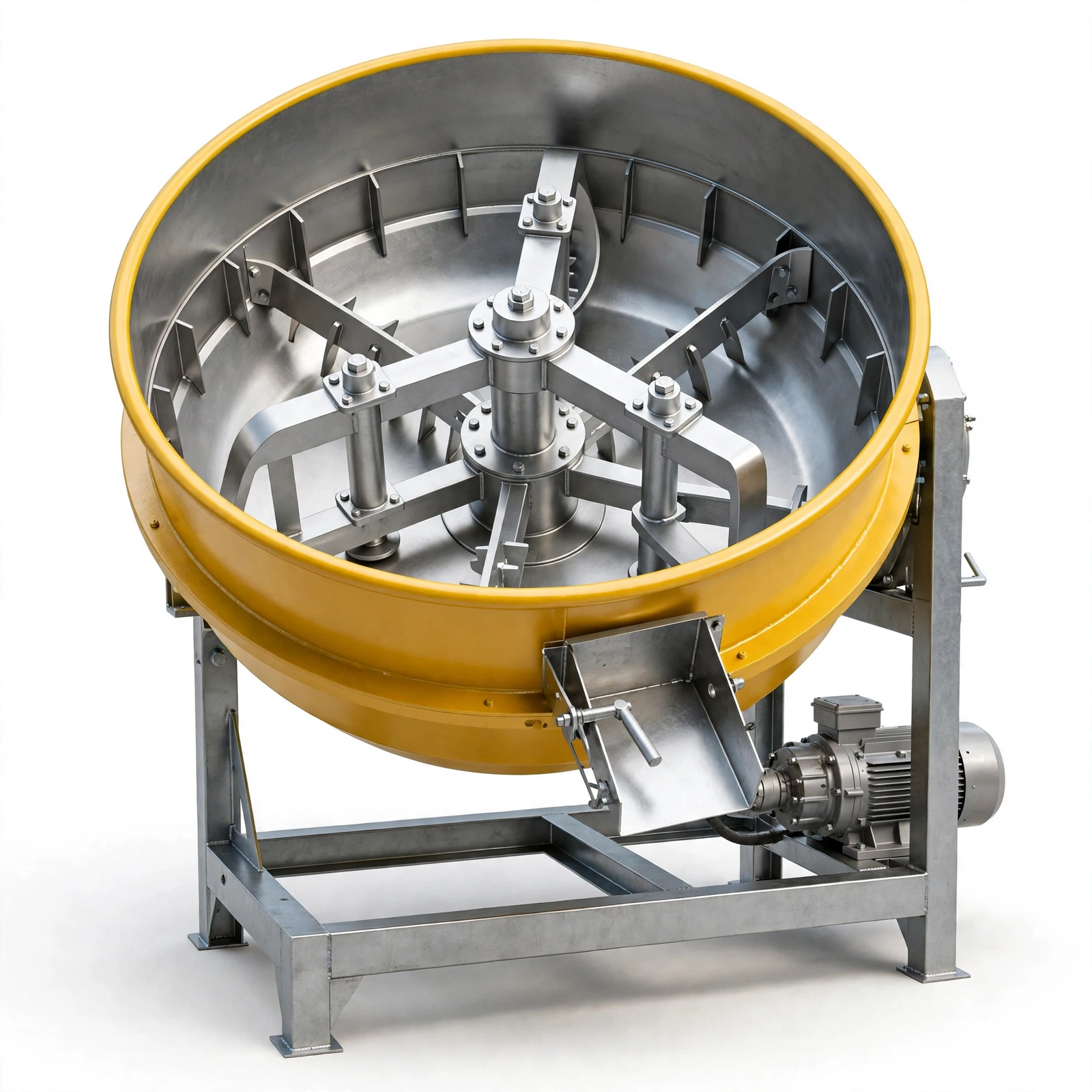
Pan3-9 cu ft Precast, screed, low-slump mixes
Twin-Shaft2-8 cu yd Batch plants, high-strength concrete
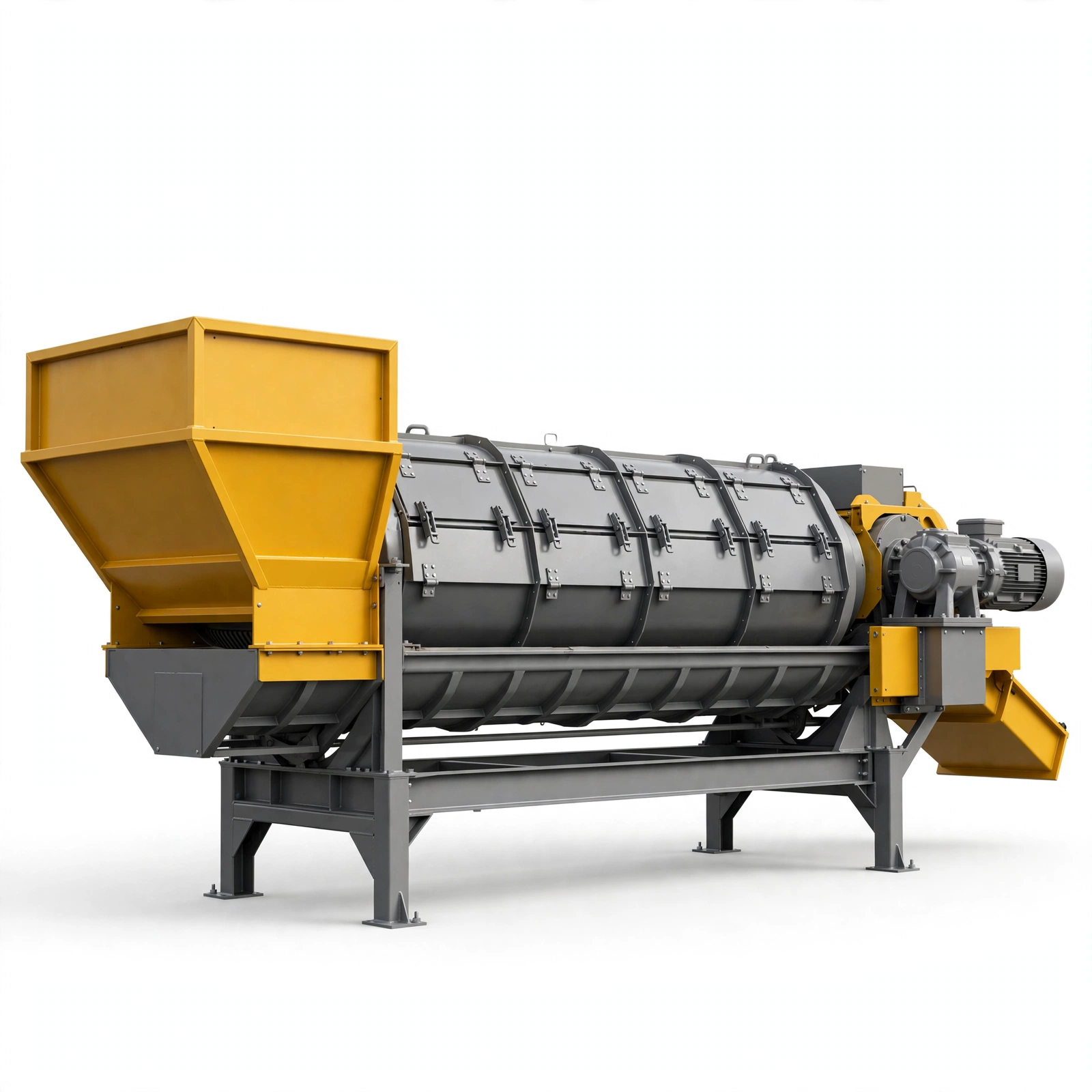
ContinuousNonstop feed Large nonstop pours, RCC, mortar
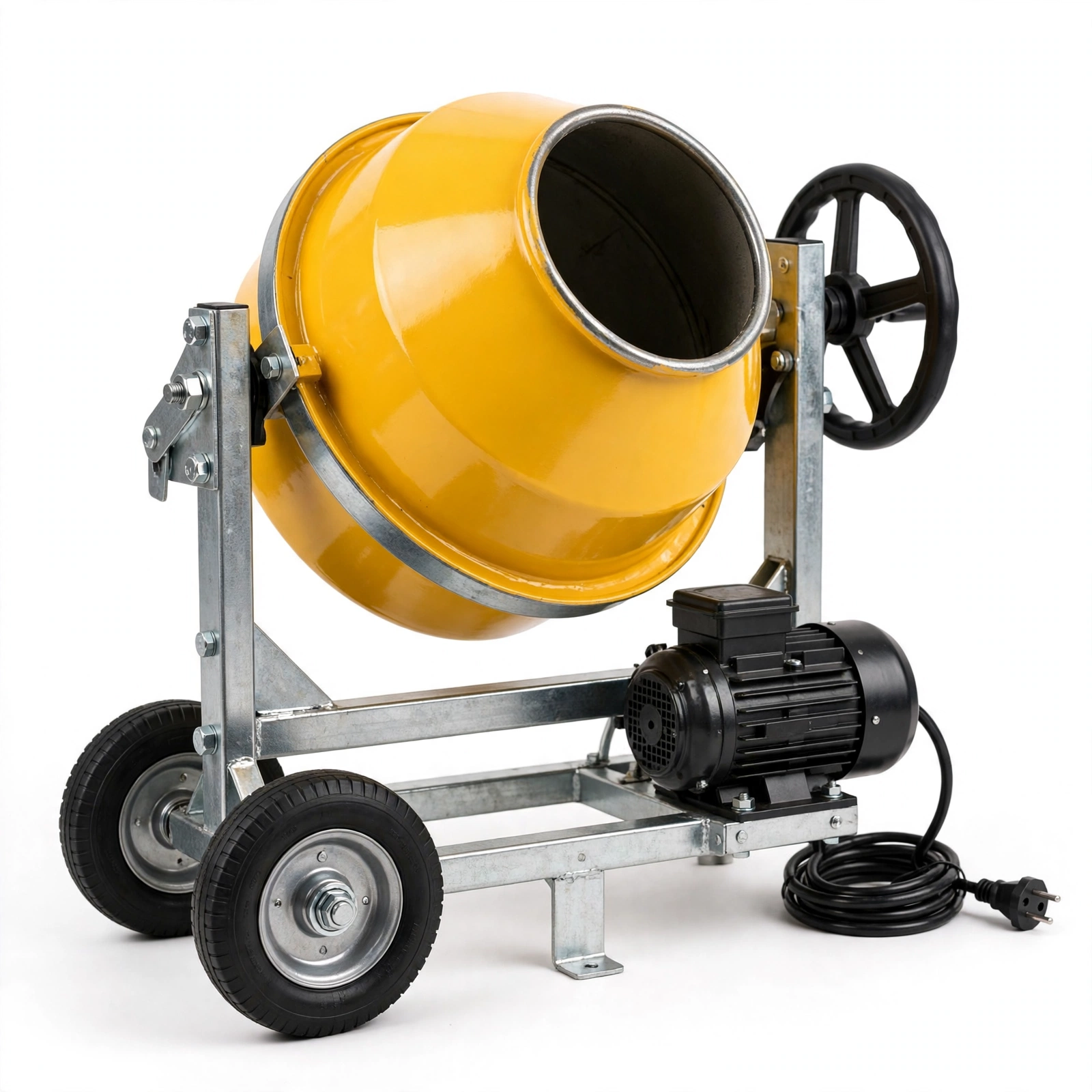
Portable1-4 cu ft Repairs, small slabs, tight access
VolumetricOn demand On-site ready-mix, zero waste

Higher = better mix quality & mobility Higher = higher cost

popular equipments

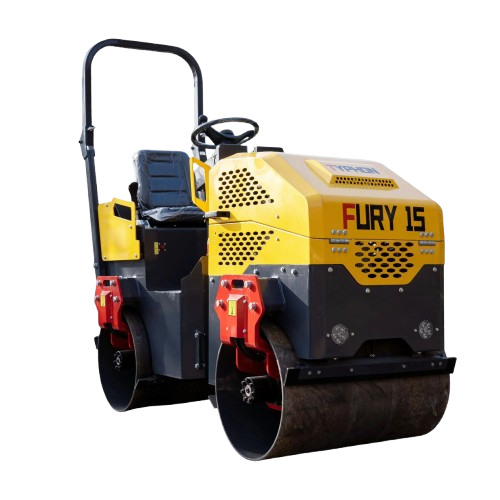
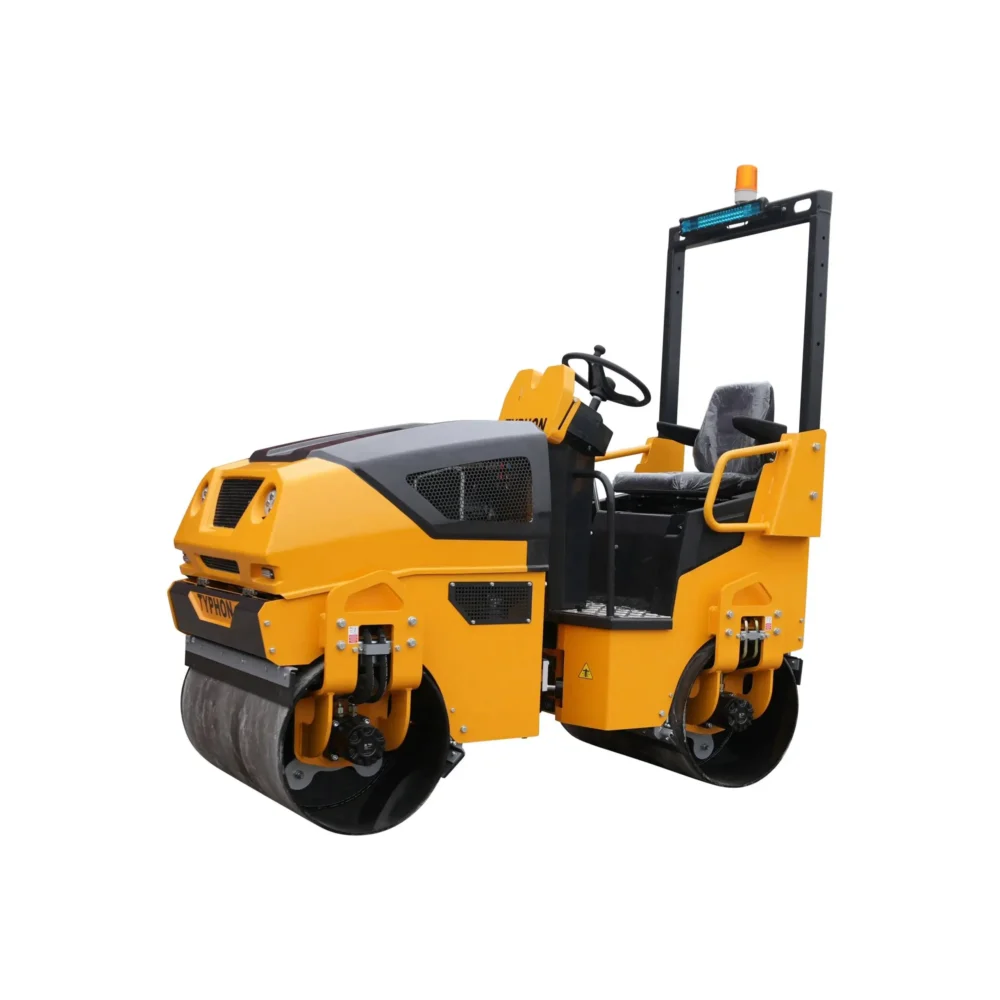
TYPHON FURY 1.5 Ton

TYPHON FURY 1.5 Ton Vibratory Compactor Asphalt Roller USA

$16,377.90
Experience the pinnacle of soil compaction with the TYPHON Fury 1.5 Ton Vibratory Compactor, a fully hydraulic asphalt compactor designed...
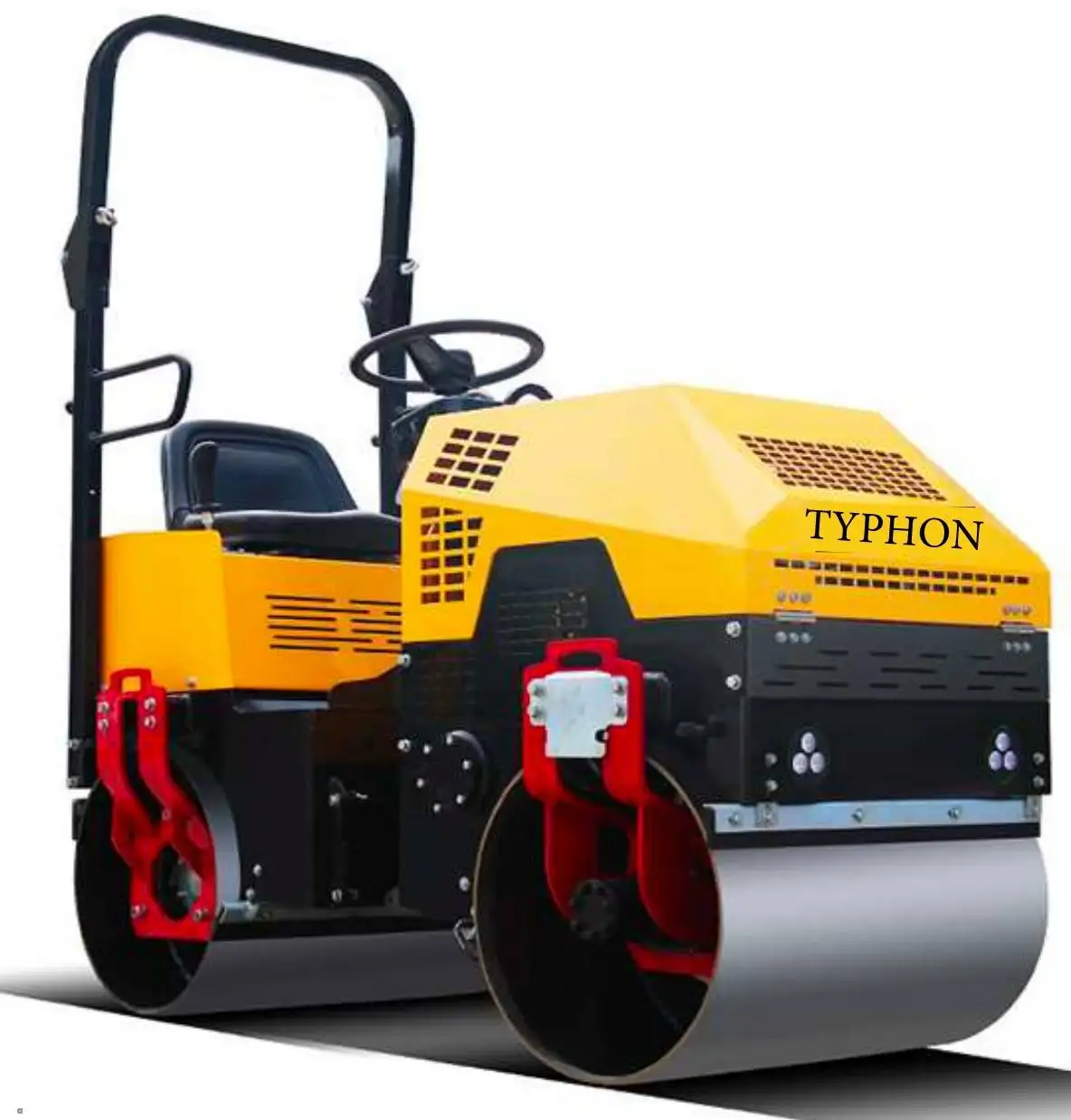
TYPHON FURY 1.5 ton

TYPHON FURY 1 Ton Vibratory Compactor Asphalt Roller USA

$8,817.90
Discover powerful and efficient soil compaction with the TYPHON Fury 1 Ton Vibratory Compactor. This fully hydraulic asphalt compactor is...
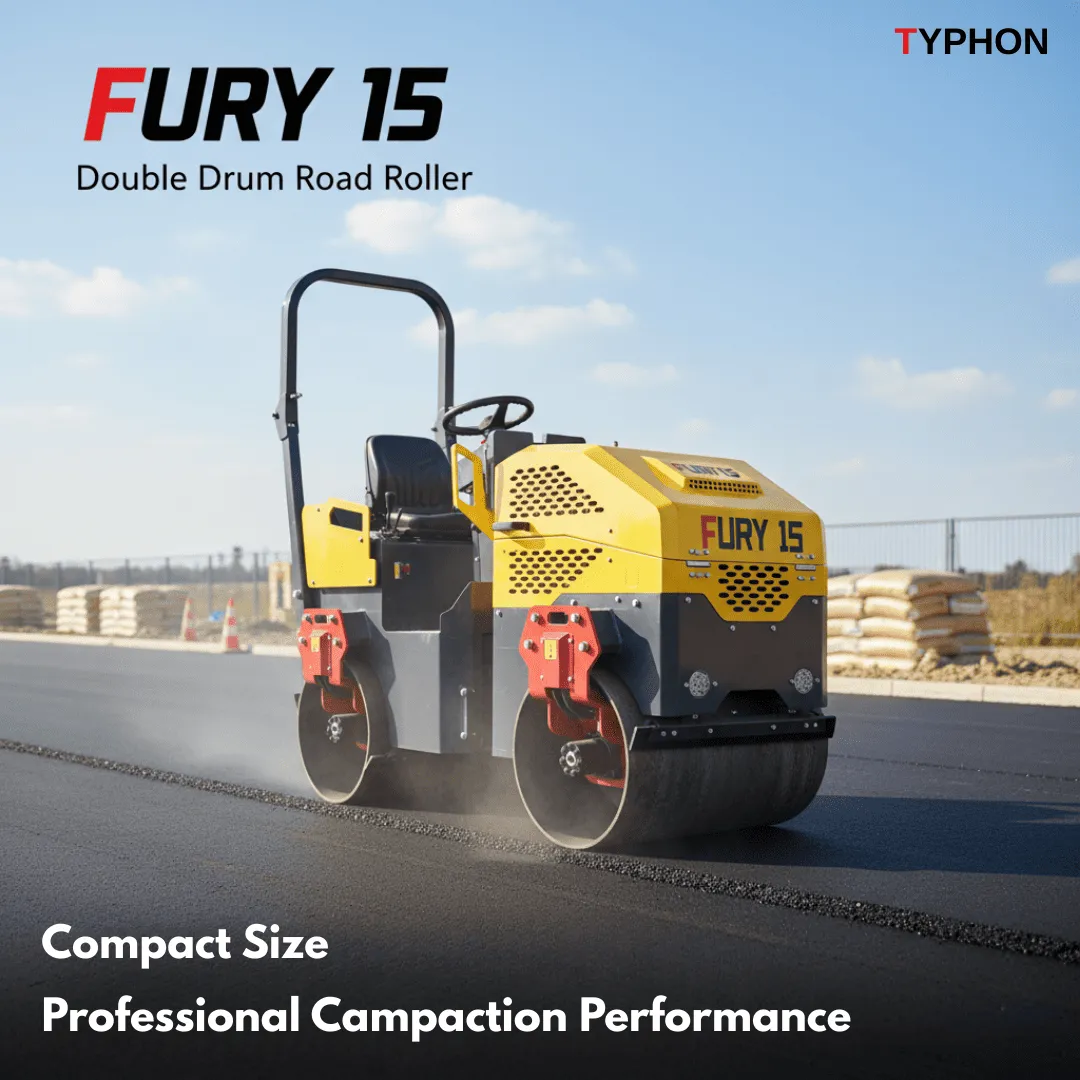
TYPHON FURY 1.5 ton

TYPHON FURY 15 Mini Road Roller 1.5Ton 13.5 hp B&S Gas Engine Hydraulic Steering

$8,398.95
The TYPHON Fury 15 road roller provides consistent, efficient compaction for roads, highways, driveways, and construction sites. Its durable drums,...

ABOUT THIS SITE

Cement Mixers is an informational resource dedicated to helping you understand concrete mixing equipment. From drum mixers to volumetric trucks, we break down how each type works, where it’s used, and what sets it apart

On this site, you’ll find detailed guides on mixer types, how mixing technology works, and its applications across construction, road building, and industrial projects.

cement mixers

DRUM MIXERS

PORTABLE MIXERS

FAQ

Concrete mixer FAQ's

Straight answers on mixing times, mixer types, water ratios, cleaning, and sizing for a driveway pour.

Most batches need 3 to 5 minutes of mixing once all the material is in the drum or pan. Add your water first, then the dry mix, and let it run until the color and texture look even with no dry pockets. Mixing past 5 minutes can trap air and weaken the finished concrete. On a driveway you pour batch after batch, so plan for steady cycles rather than one long run.

A drum mixer tumbles material inside a rotating barrel and handles general concrete, mortar, and higher volume jobs well. A pan mixer uses paddles inside a fixed bowl and blends stiff, low-slump mixes more evenly. Pick a drum for driveways, footings, and everyday concrete. Pick a pan when you need a tight, precise blend for screed or specialty mixes.

For a standard residential driveway, a mixer in the 3.5 to 5 cubic foot drum range is the sweet spot. That size turns out enough concrete per batch to keep a steady pour without long waits between loads. A 2 cubic foot unit is better suited to repairs and small slabs. For a large driveway or a crew pour, step up to a 6 cubic foot or towable mixer.

Start with about 1 gallon of water per 80 pound bag of premix, then adjust from there. Pour in most of the water first, add the dry mix, and hold back a little water to fine tune at the end. You want a plastic, workable mix that holds its shape, not a soupy one. Too much water weakens the concrete and invites cracking, so add the last bit slowly.

Add water first. Pour most of your water into the running drum, then feed the dry mix in behind it. This stops dry material from caking on the bottom and blades and gives you a cleaner blend. Keep a small amount of water back and add it at the end to dial in the consistency.

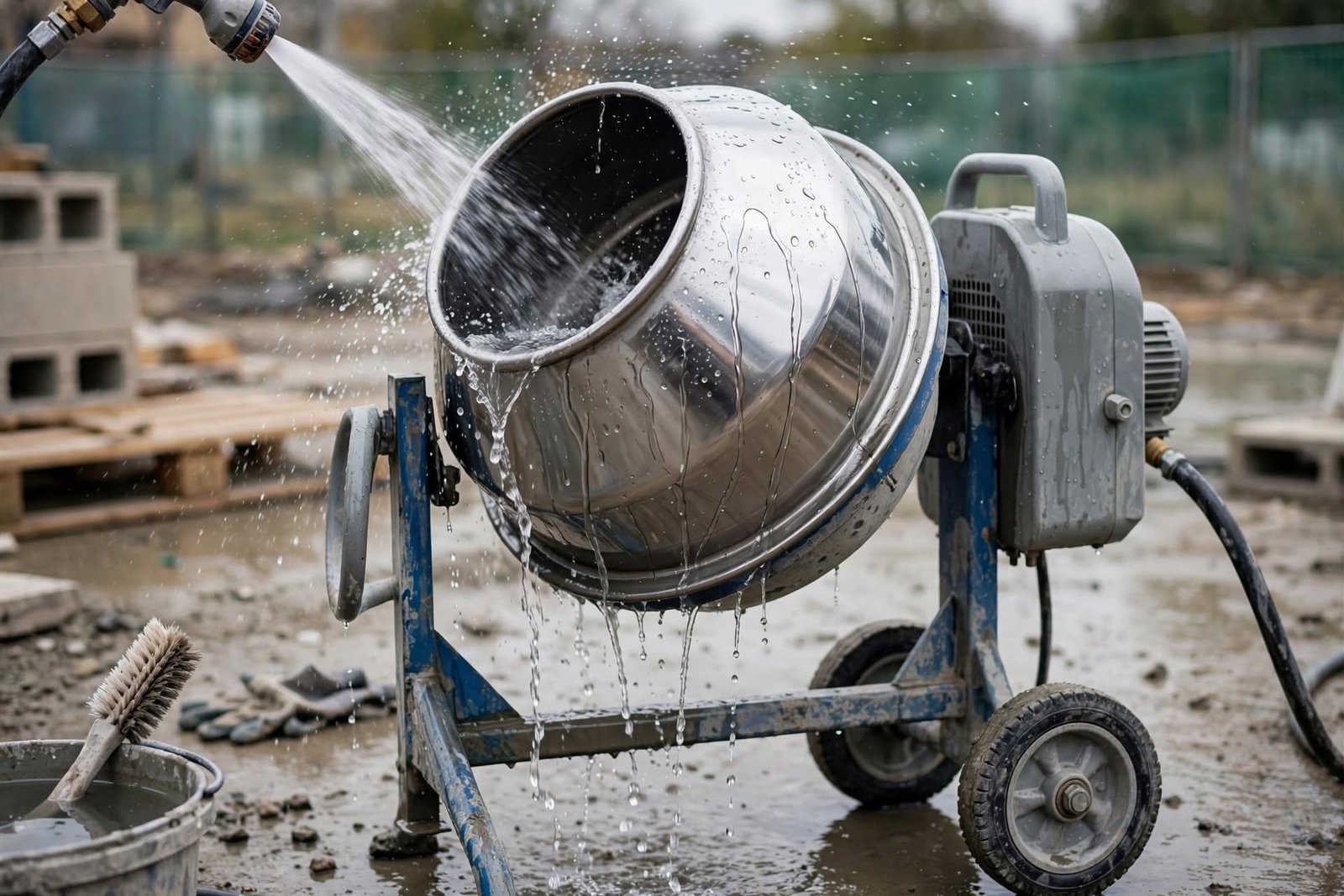
Clean it right after the pour, before the concrete sets. Toss a few shovels of gravel and some water into the drum, then run it for a few minutes so the gravel scours the inside walls. Dump that out and rinse with a hose. For dried buildup, chip it off with a plastic or wood tool so you do not gouge the drum.

Yes. A drum mixer handles mortar, concrete, and stucco. Use a shorter run for mortar, around 3 minutes, so you do not over-work it. If you run mortar in volume, a pan mixer blends it more evenly. Clean the drum between different mixes so each batch stays consistent.

Electric mixers run quiet, need little upkeep, and suit garage, shop, and indoor work near an outlet. Gas mixers give you power and range on open sites with no hookup. Choose electric for home and light commercial jobs. Choose gas for remote pours or full-day site work away from power.

Our Blogs

Interactive Tool · 30 Seconds

Find Your Mixer

Drum, pan, twin-shaft, continuous, or portable? Answer three quick questions about your project, mix, and mobility — and get a straight recommendation on the right mixer type for the job.

Step 1 / 3

How much are you mixing?

Batch volume is the biggest factor in which mixer class fits.

What are you mixing?

Different mixes need different mixing action for quality.

How mobile does it need to be?

Where and how you work decides how portable your mixer must be.

Matching Your Mix

Weighing volume · mix type · mobility

Best Match For Your Project

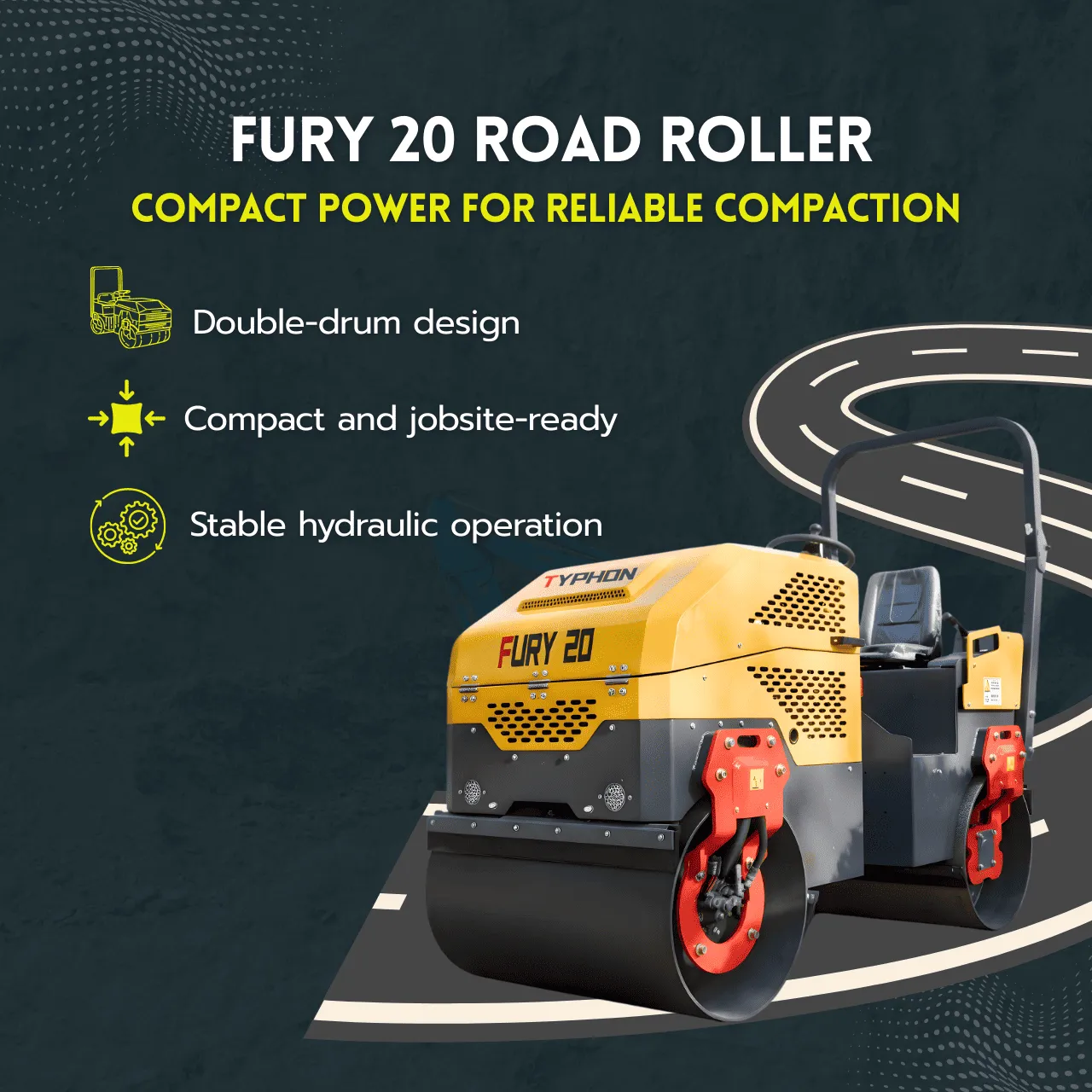
TYPHON Machinery

Explore Our Partner's Equipment Range

Compact, durable machinery built for construction, landscaping and industrial work — shipped free across all 48 states with a 1-year warranty.